
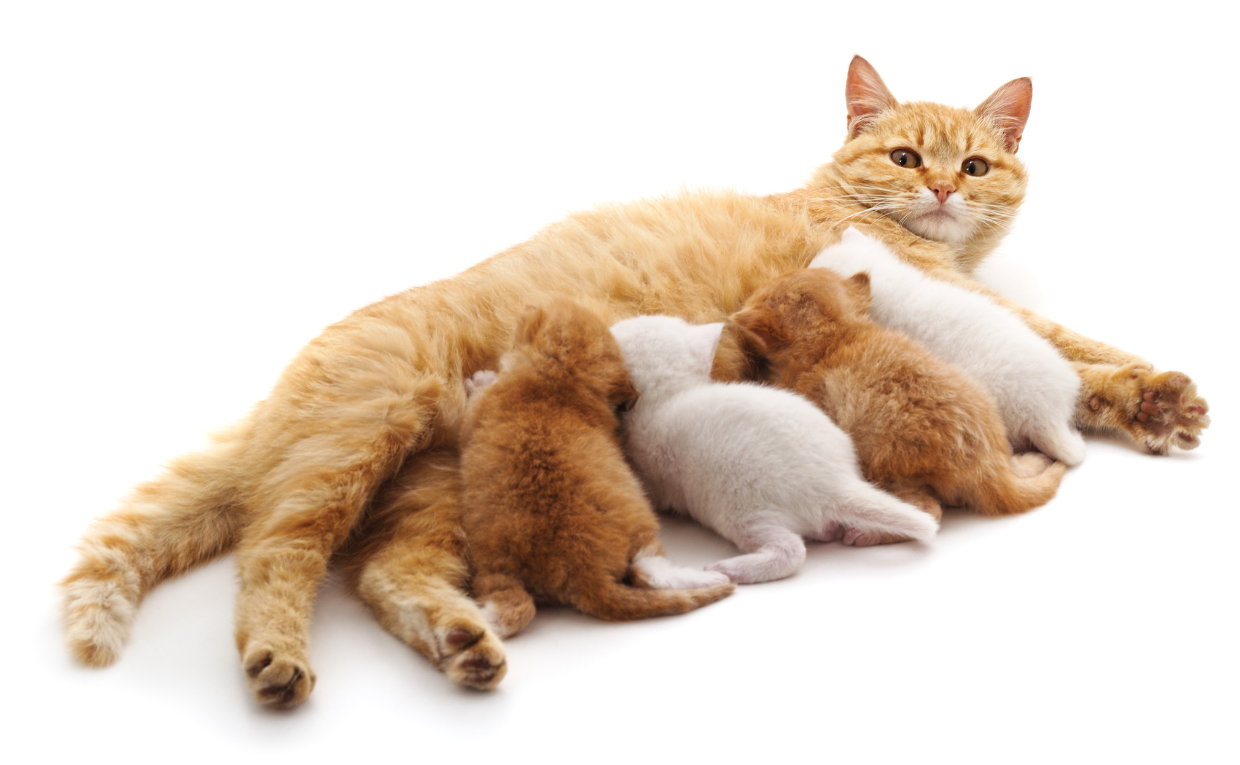
Few things are as touching as a mother cat tenderly nursing her newborn kittens. In shelters, even abandoned kittens often find comfort when a nurturing mama cat adopts them as her own.
But sometimes, heartbreakingly, a mother cat may walk away from or even reject her young. While it may look cruel, there are natural and medical reasons behind this behavior.
Let’s explore why this happens — and how you can help.
1. She Hasn’t Really Abandoned Them
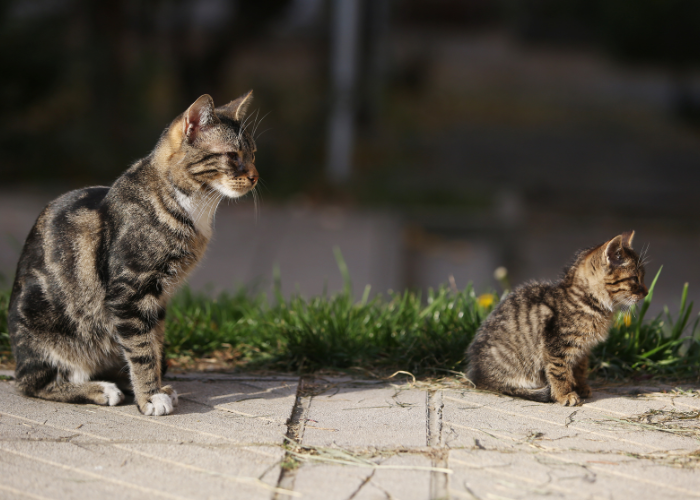
It’s common for people to find kittens alone and assume the worst. In reality, the mother may just be out hunting or scouting for a safer nest. Outdoor or stray cats often separate their litters to protect them from predators.
If the kittens appear clean, full, and quiet after a short time, the mother is probably nearby. Watch from a distance for a few hours before intervening — she may return once she feels it’s safe.
2. Illness or Birth Defects
A mother cat’s instinct to protect the healthy part of her litter can lead her to reject a sick or deformed kitten. It’s not always the smallest one, but rather the one she senses may not survive.
If a kitten is consistently ignored, it’s best to remove it for veterinary care — this prevents stress or further rejection of others.
3. Painful Nursing (Mastitis)
Sometimes rejection is not emotional — it’s physical. Mastitis, a painful infection of the mammary glands, can make nursing unbearable.
Swollen, hot, or red nipples may make the cat flinch or avoid nursing altogether. Veterinary care can relieve her discomfort and save the litter’s feeding routine.
4. Too Many Kittens to Feed
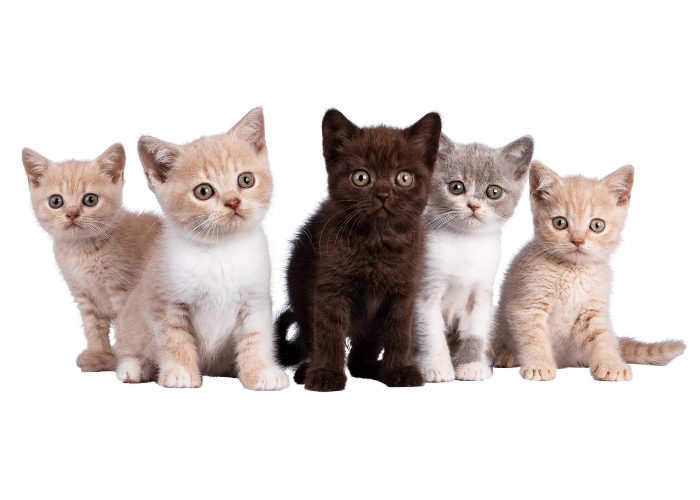
When a litter is large, the mother may prioritize survival by nursing only a few. This natural response ensures that some kittens get enough nutrition rather than all going hungry. Observant caretakers can step in to hand-feed or foster the rest.
5. Inexperience or Stress
Very young mothers may simply not know what to do. Fear, confusion, or trauma during birth can make them restless or unwilling to stay still long enough for nursing. Some learn maternal behavior over time — others may need human support to ensure the kittens’ survival.
What You Can Do
If you notice abandonment, don’t rush to separate kittens from their mother unless absolutely necessary. Observe, contact a vet, or reach out to a local rescue group for advice.
Above all, show compassion — motherhood can be overwhelming for cats too. And remember, millions of kittens face uncertain futures each year. Spaying and neutering remain the most powerful ways to prevent suffering.