
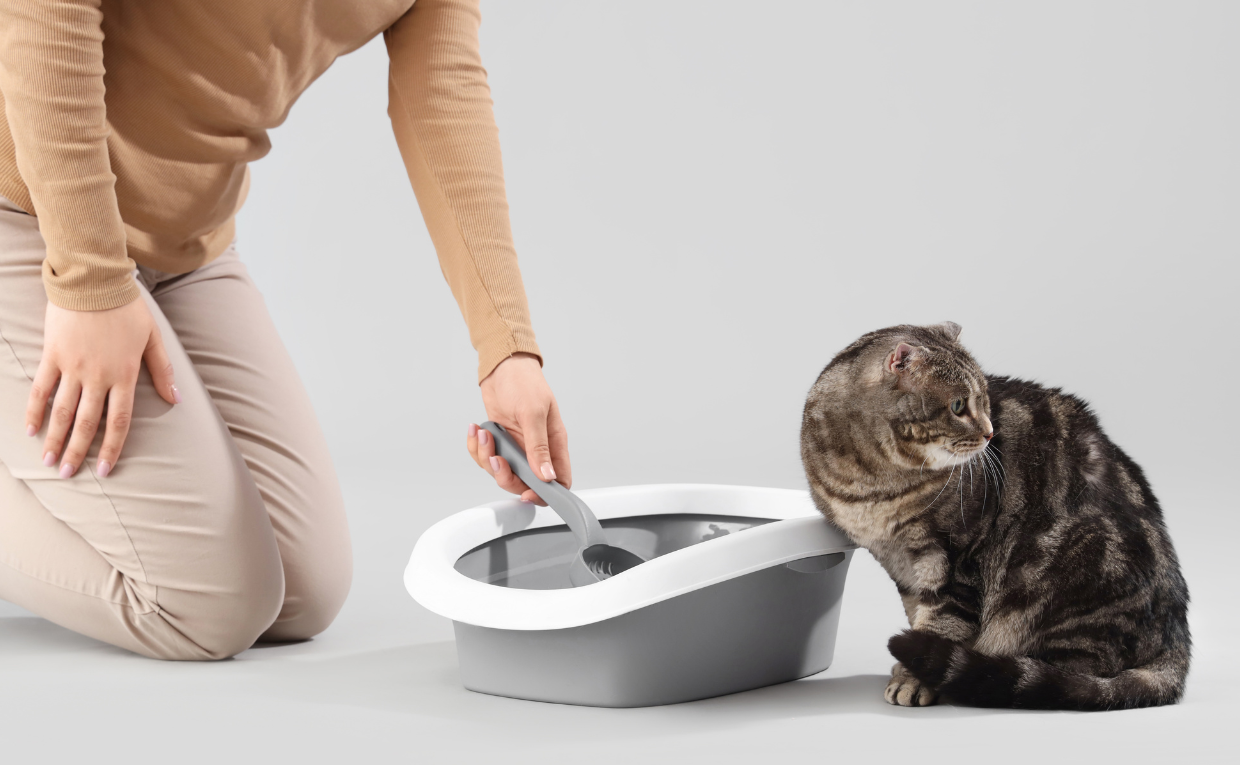
Your cat’s litter box is more than just a convenience — it’s a daily necessity for their comfort and hygiene. But over time, even the best litter boxes wear out or become too dirty to function well. If your cat suddenly starts avoiding the box, the problem might not be behavioral — it could be the box itself.
Here’s how to tell when it’s time for a new one.
1. Persistent Odor That Won’t Go Away
Even with regular cleaning, plastic litter boxes can absorb odors over time. If the smell lingers no matter how much you scrub, bacteria may have embedded in tiny scratches or pores. At that point, replacement is the only solution.
2. Visible Cracks or Scratches
Over months of digging and scooping, boxes develop cracks or deep scratches where bacteria grow. These can also cause leaks if you use clumping litter. A smooth, clean interior is crucial for your cat’s comfort and hygiene.
3. Stains and Discoloration
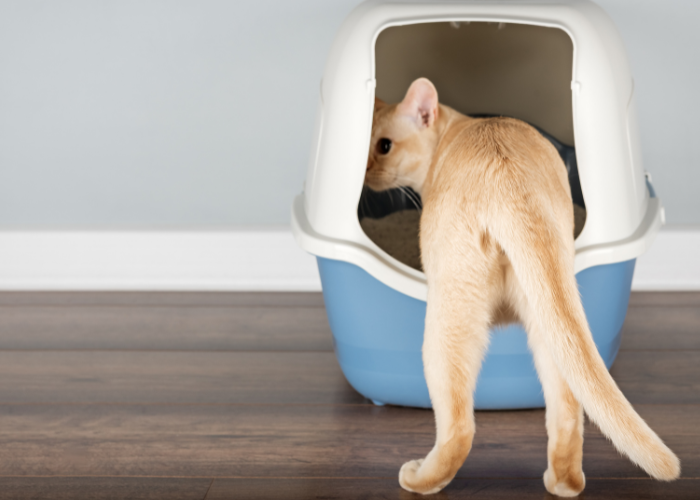
When the litter box looks permanently stained or discolored, it’s a sign that the material has aged and is harboring buildup. Cats have sensitive noses and may refuse to use a box that looks or smells unclean.
4. Unexplained Litter Box Avoidance
If your cat suddenly starts eliminating outside the box — and your vet rules out health issues — it might be their way of saying the box feels “off.” Cats are particular about cleanliness and may avoid a box that feels too dirty or worn.
5. It’s Been Over a Year
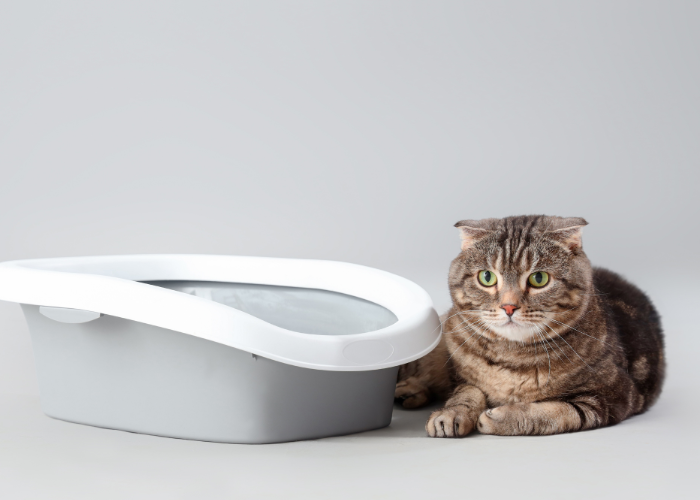
Even with good maintenance, most litter boxes should be replaced every 12–18 months. The combination of moisture, litter dust, and daily wear gradually breaks down the plastic.
Pro Tip: Upgrade Smartly
When replacing your box, consider:
- Non-stick or antimicrobial materials
- Higher sides or hooded designs for messy diggers
- Larger boxes for bigger cats or multi-cat homes