

Constipation can make your cat uncomfortable, restless, and even lose interest in food. When this happens, some pet parents turn to mineral oil — a common household product known for its gentle laxative properties. But before you reach for that bottle, it’s important to understand how it works, the right way to use it, and the potential side effects.
What Is Mineral Oil & Why It’s Used for Cats
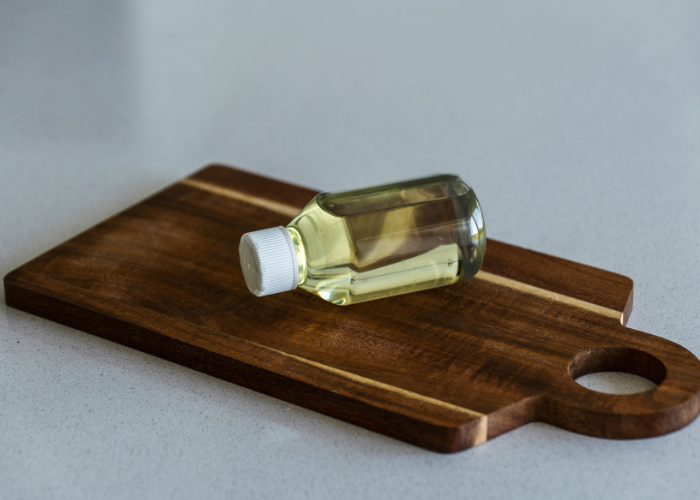
Mineral oil is a lubricant laxative that helps ease constipation by adding moisture and lubrication to the stool, making it easier for your cat to pass it naturally. It’s often used for short-term relief when a cat hasn’t been able to defecate properly for a day or two.
Some cat owners notice that after proper use, their cats regain appetite, energy, and comfort — but the keyword here is “proper use.” While it’s available over the counter, you should never give it to your cat without first checking with your veterinarian.
Correct Way to Give Mineral Oil to Cats
One crucial rule: never squirt or pour mineral oil directly into your cat’s mouth.
If inhaled accidentally, it can cause serious lung damage that may not show up right away.
Instead, mix the recommended amount into your cat’s food so it’s consumed safely. Most vets suggest starting with half a teaspoon, and never exceeding one teaspoon per day, but only your vet can give the exact dosage suitable for your cat’s size and health.
Because mineral oil doesn’t provide long-term digestive benefits, it should only be used for two to three days at most. If your cat is still constipated after that, a veterinary visit is essential — there might be an underlying issue such as dehydration, diet imbalance, or hairballs causing the blockage.
Side Effects & Precautions
When given correctly, side effects are uncommon. However, overuse or direct ingestion can lead to:
- Aspiration pneumonia (from inhaling the oil)
- Diarrhea or dehydration (if used for too long)
- Reduced absorption of essential nutrients or fat-soluble vitamins
Stop use immediately if you notice any vomiting, lethargy, or signs of breathing difficulty — and contact your vet right away.
If your cat accidentally consumes too much, treat it as an emergency. Call your local veterinary clinic or an animal poison helpline for immediate advice.
Healthier Long-Term Alternatives
While mineral oil can help in a pinch, long-term digestive health depends on:
- A fiber-rich diet (ask your vet about high-fiber cat foods)
- Proper hydration — ensure fresh water is always available
- Occasional hairball remedies or natural oils (like salmon oil, under vet guidance)
- Regular exercise and play to keep digestion active
Final Thoughts
Mineral oil can be a helpful, short-term solution for mild constipation — but it’s not a cure-all. The safest approach is to consult your vet before trying any home remedies. Your cat’s digestive system is sensitive, and even a small misstep can lead to bigger problems.