
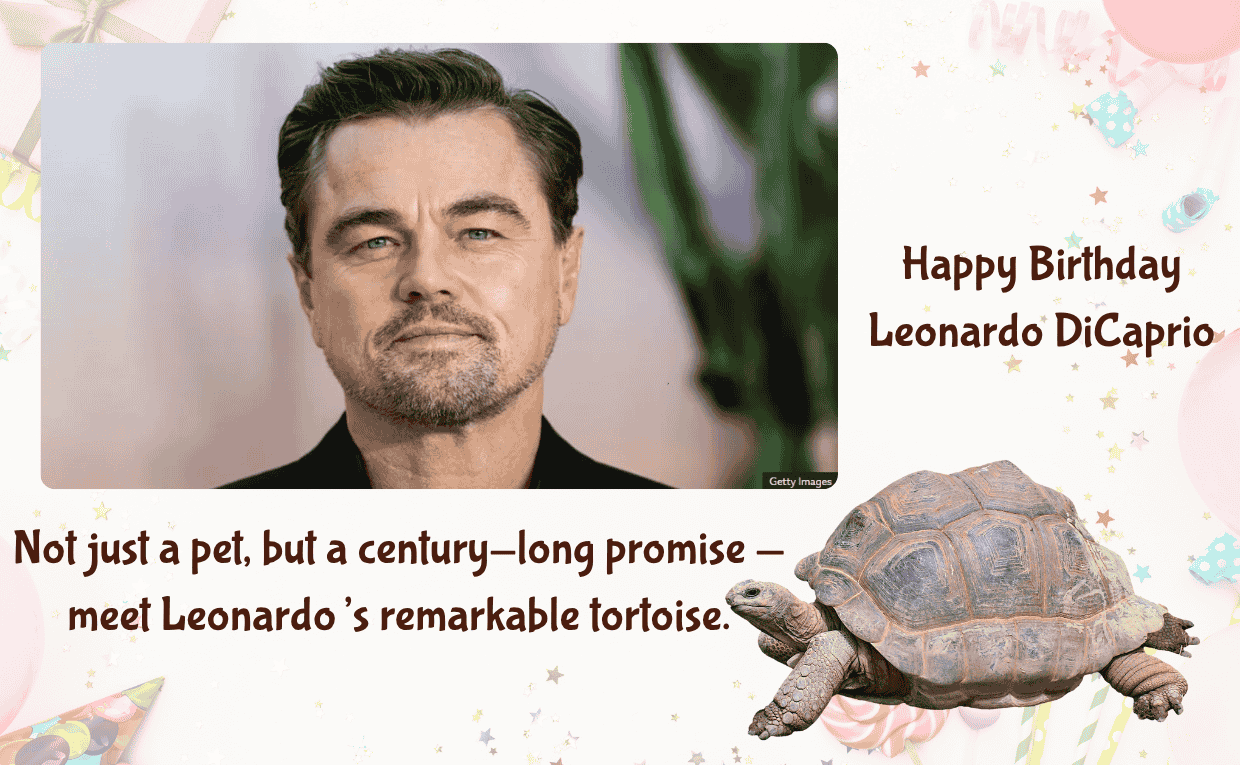
Today, November 11, we celebrate the birthday of one of Hollywood’s most admired figures — Leonardo DiCaprio, the Oscar-winning actor whose dedication to environmental causes has inspired millions. While many know him for his films and activism, few realize that one of his most loyal companions is an extraordinary creature — a Sulcata tortoise, a gentle giant capable of living for more than 80 years and growing up to 200 pounds.
As DiCaprio turns another year older, his long-lived reptilian friend is a perfect symbol of patience, commitment, and responsibility — three qualities that define both the actor and the kind of pet ownership he exemplifies.
A Star with a Purpose
From his powerful performances in Titanic and The Revenant to his tireless advocacy for the planet through the Leonardo DiCaprio Foundation, Leonardo’s love for nature is genuine. His choice of pet is not one of extravagance but a reflection of mindfulness.
The Sulcata tortoise—native to the southern edge of the Sahara Desert—is a species that demands lifelong care. It’s not a trendy pet but a living being that will likely outlive its owner. For DiCaprio, owning such a pet is both a privilege and a statement: caring for wildlife responsibly requires knowledge, planning, and heart.
A Star with a Purpose
From his powerful performances in Titanic and The Revenant to his tireless advocacy for the planet through the Leonardo DiCaprio Foundation, Leonardo’s love for nature is genuine. His choice of pet is not one of extravagance but a reflection of mindfulness.
The Sulcata tortoise—native to the southern edge of the Sahara Desert—is a species that demands lifelong care. It’s not a trendy pet but a living being that will likely outlive its owner. For DiCaprio, owning such a pet is both a privilege and a statement: caring for wildlife responsibly requires knowledge, planning, and heart.
Meet the Sulcata Tortoise — A “Forever Pet”
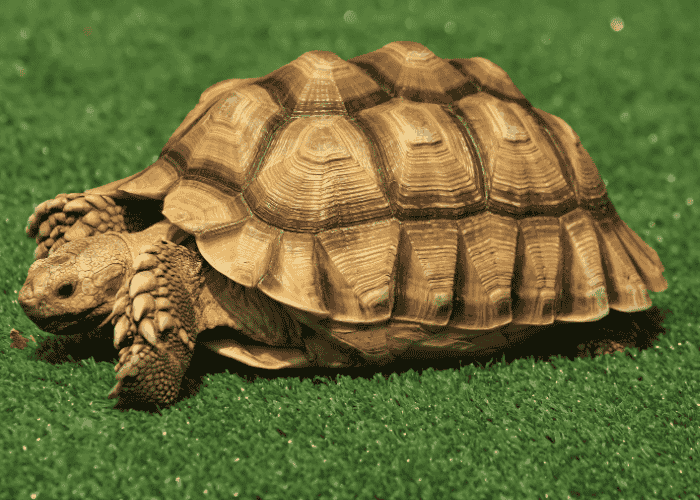
Also known as the African spurred tortoise, the Sulcata is the third-largest tortoise species in the world, right behind the Galápagos and Aldabra giants. They can grow up to 30 inches long and weigh as much as 90 kg (200 lbs).
Their most remarkable feature, however, isn’t size — it’s longevity. These tortoises can easily live 70 to 100 years, meaning many end up in multiple generations of human families. For that reason alone, experts call them “forever pets.”
While adorable as hatchlings that fit in your palm, they grow quickly and need enormous space, heat, and diet adjustments. DiCaprio’s tortoise represents what responsible exotic-pet parenting truly looks like — respect for the animal’s natural needs, not just fascination with its uniqueness.
The Responsibility of Exotic-Pet Ownership
Too many people are drawn to the novelty of exotic animals without realizing the depth of commitment they require.
1. Lifespan Commitment
A Sulcata may live longer than you. Potential owners must plan who will care for the tortoise decades later. Adoption should come with a succession plan, much like DiCaprio’s lifelong dedication to environmental preservation.
2. Habitat and Space
These tortoises are land-dwelling diggers. They love burrowing and require a large, secure outdoor enclosure with soft soil and ample shade. Without enough space, they become stressed or unhealthy.
3. Temperature Regulation
Sulcatas are desert dwellers. They need warmth (29–35 °C by day, not below 20 °C by night). In cooler regions, owners must provide heated shelters or indoor pens with UVB lighting to mimic the African sun.
4. Ethical Sourcing
Many tortoises are bred or sold irresponsibly. Responsible pet owners and activists like DiCaprio emphasize adopting from licensed rescues or ethical breeders, never from wild capture or unverified sellers.
Parenting a Sulcata Tortoise: The Ultimate Care Guide
Let’s break down what it truly means to raise one of these incredible creatures — whether you’re an eco-enthusiast like Leonardo or a family curious about long-lived reptile companions.
1. Setting Up the Right Habitat
- Space: An adult Sulcata needs at least 80–100 sq m (900–1,000 sq ft) of safe, enclosed yard area.
- Substrate: Natural soil is best; avoid gravel that can cause impaction if ingested.
- Shelter: Provide a burrow-style hideaway or insulated tortoise house to protect from cold and rain.
- Heating & Lighting: Maintain basking spots around 35 °C with full-spectrum UVB lamps indoors.
- Safety: Use sturdy fencing — Sulcatas can push through wood and wire with surprising strength!
2. Food and Nutrition
Sulcatas are herbivores, and diet mistakes are a common reason for illness.
Their diet should mirror dry-savanna vegetation.
- Primary foods:
- Grasses (Bermuda, orchard, rye)
- Weeds (dandelion, clover, plantain)
- Edible leaves (mulberry, hibiscus, grape)
- Occasional treats:
- Squash, cactus pads, or pumpkin — in small quantities.
- Avoid:
- Fruits (too sugary), high-protein foods (dog/cat kibble), and calcium-blocking greens (spinach, kale daily).
- Supplements:
- Provide calcium carbonate powder two or three times weekly.
- Access to clean water at all times, despite their desert origin.
A balanced high-fiber, low-protein diet prevents shell deformities and growth issues.
3. Daily Routine & Enrichment
Sulcatas are active explorers.
Offer logs, rocks, or shallow pools to stimulate natural behavior.
Spend time observing — they recognize owners and can form simple routines, especially around feeding time.
4. Grooming and Health
- Bathing: Soak young tortoises weekly in shallow, lukewarm water to maintain hydration.
- Shell Care: Keep shells clean but never apply oils or waxes.
- Veterinary Care: Regular checkups with reptile-specialist vets are essential. Watch for lethargy, runny noses, or flaky shells — signs of illness or poor humidity.
Understanding Their Personality
Though slow in pace, Sulcatas are surprisingly interactive. Many owners describe them as curious and even affectionate — following you around the yard, nudging gently for food, or basking beside your feet.
Their steady rhythm can be grounding — a reminder to slow down, to live mindfully, much like the environmental lessons Leonardo DiCaprio shares through his documentaries.
Indoor vs. Outdoor Living
While hatchlings can be kept indoors, adults belong outdoors.
If you live in cooler climates (like much of Australia or northern U.S.), ensure:
- A heated shed for winter months.
- A UVB lamp for calcium metabolism.
- A humidity gradient (around 40–50 %) to prevent shell pyramiding.
Outdoor life allows natural grazing and movement — essential for their muscle and shell health.
Growth Stages: From Tiny Hatchling to Mighty Giant
| Stage | Age | Size | Care Notes |
|---|---|---|---|
| Hatchling | 0–2 yrs | 2–6 in shell | Keep indoors, high humidity, daily soaking |
| Juvenile | 3–10 yrs | 6–16 in shell | Larger pen, steady UVB, diet focus on grasses |
| Adult | 10 + yrs | 16–30 in shell | Outdoor habitat, sturdy fencing, lifelong diet care |
Each stage requires adjustment in temperature, diet, and handling frequency.
Why Leonardo’s Choice Matters
Leonardo DiCaprio has often used his platform to highlight how every creature contributes to the planet’s balance. His tortoise is more than a pet — it’s a living reflection of sustainability and foresight.
Owning a tortoise means thinking generationally — an echo of DiCaprio’s climate message: “We do not inherit the Earth from our ancestors; we borrow it from our children.”
Lessons for Pet Lovers
-
Research before adopting. Don’t bring home an animal you’re not ready for.
-
Think long term. Some pets, like tortoises, will outlive you — plan accordingly.
-
Adopt ethically. Choose rescues or certified breeders.
-
Respect habitat. Every species has evolved for a specific environment.
-
Value simplicity. Animals teach us patience, balance, and quiet joy.
A Symbol of Longevity and Wisdom
Across cultures, tortoises symbolize stability, wisdom, and endurance — values DiCaprio has championed in his life’s work.
His Sulcata companion stands as a living metaphor: we are all caretakers, not owners, of the world and its creatures.
For those inspired by his example, caring for a tortoise can be deeply rewarding — if done with knowledge and compassion.
Quick Reference: Sulcata Tortoise Care Chart
| Category | Key Details |
|---|---|
| Lifespan | 70–100 years |
| Adult Size | 60–90 cm shell, 45–90 kg weight |
| Habitat Temperature | 29–35 °C day, > 20 °C night |
| Humidity | 40–60 % |
| Diet | Grasses & weeds (85 %), leafy greens (10 %), veggies (5 %) |
| Supplements | Calcium carbonate 2–3× week |
| Exercise | Outdoor roaming essential |
| Vet Checkups | Annual (young every 6 months) |
In Celebration of Leo and His Lifelong Companion
So today, as fans around the world celebrate Leonardo DiCaprio’s birthday, we also celebrate the quiet, ancient presence of his Sulcata tortoise — a reminder that love, when rooted in respect and awareness, can truly last a lifetime (and beyond).
Here’s to the man who turned environmental stewardship into a global movement, and to his steadfast friend who walks — slowly but surely — beside him.
Happy Birthday, Leonardo DiCaprio!
May your work continue to inspire us to protect, preserve, and coexist harmoniously with every living being on this planet.