
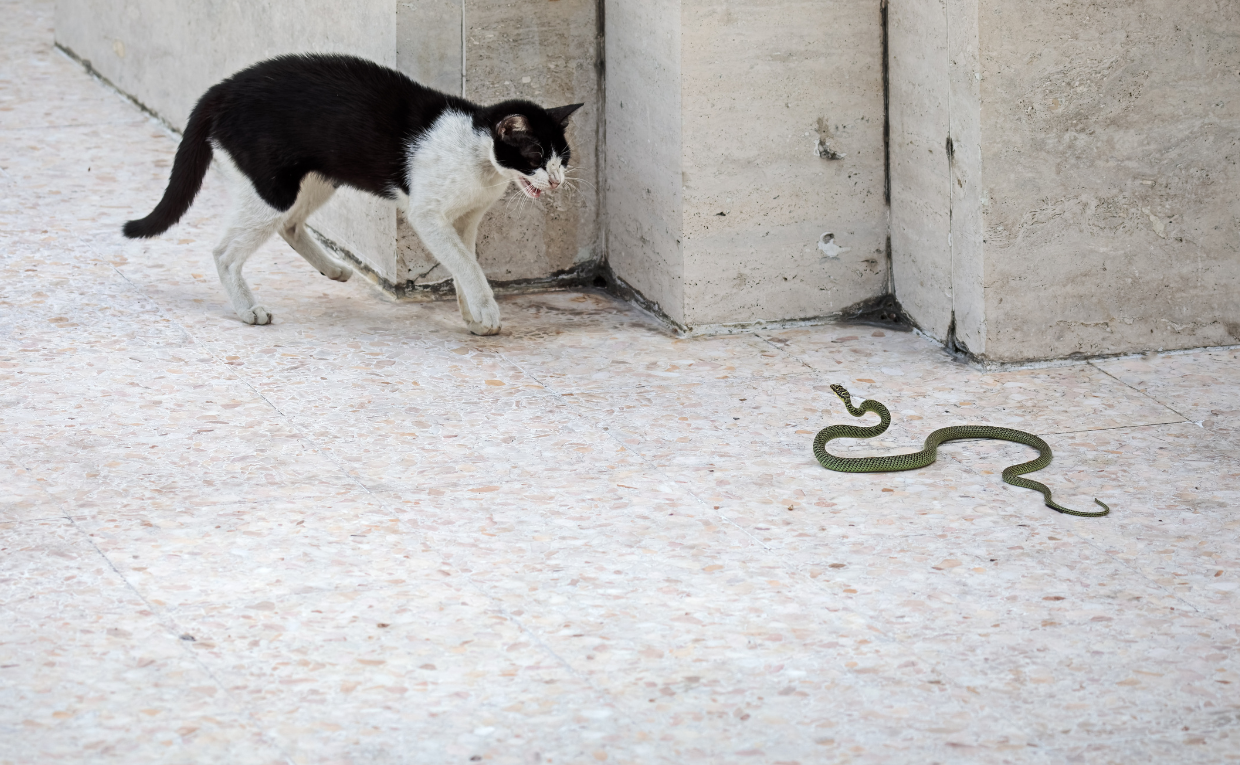
Cats are natural explorers — agile, curious, and fearless. But even the most confident feline can face real danger outdoors. Wild animals, driven by instinct or territory defense, sometimes see cats as threats or prey. Knowing which animals pose the biggest risks can help you protect your pet before curiosity turns into confrontation.
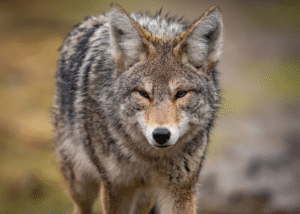
1. Coyotes
Common across North America and even suburban areas, coyotes are one of the biggest threats to outdoor cats. They hunt small animals, including cats, especially during the night. Keeping your cat indoors at dusk and dawn significantly reduces risk.
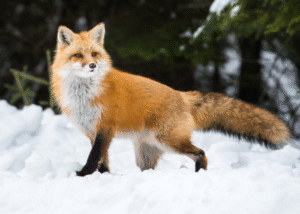
2. Foxes
Foxes rarely attack adult cats, but they may go after kittens or injured cats if food is scarce. In rural and suburban regions, encounters often happen near trash bins or backyards at night.
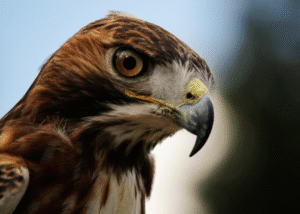
3. Hawks
Large birds of prey such as red-tailed hawks can mistake small cats for rabbits or rodents. They swoop down fast, so avoid letting cats roam open fields or yards without cover during daylight hours.
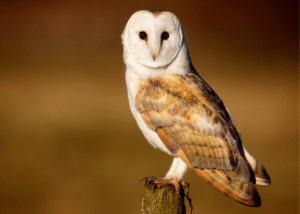
4. Owls
Great horned owls are nocturnal hunters capable of carrying off smaller cats. If your cat loves midnight adventures, keep it indoors — owls strike silently from above.
5. Snakes
In warmer regions, venomous snakes like rattlesnakes or brown snakes can pose a deadly risk. Curious cats may approach them out of instinct, only to provoke a defensive strike.


6. Raccoons
Though they appear cute, raccoons are powerful fighters. They compete with cats for food and won’t hesitate to defend themselves aggressively if cornered.
7. Dingoes or Wild Dogs
In Australia, dingoes are known predators of small animals, including cats. Even feral or stray dogs can attack when cats invade their territory.

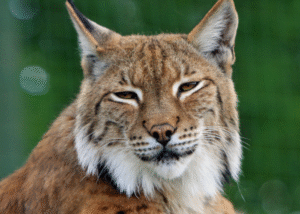
8. Bobcats
Native to many North American forests, bobcats see smaller cats as easy prey. They usually hunt at dawn or dusk, the same hours cats often roam.
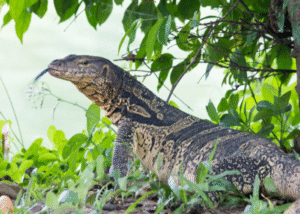
9. Large Monitor Lizards
In tropical areas, especially parts of Asia and Australia, monitor lizards can harm cats if threatened or provoked. Their sharp claws and powerful tails make them dangerous opponents.

10. Eagles
Golden and wedge-tailed eagles have been known to attack small domestic animals. If you live in open rural terrain, supervise your cat closely when outdoors.
Keeping Your Cat Safe
- Keep cats indoors at night. Most wild predators are nocturnal.
- Install motion lights and secure trash bins. These deter scavengers.
- Provide indoor enrichment. Use cat towers, toys, and puzzles to reduce the need for outdoor roaming.
- Use GPS collars like the Tractive Cat Tracker on Amazon to monitor your pet’s movements.
Protecting your cat means understanding its world — and the wild neighbors it might encounter. With awareness and a few precautions, your furry friend can enjoy a long, safe, and adventurous life under your care