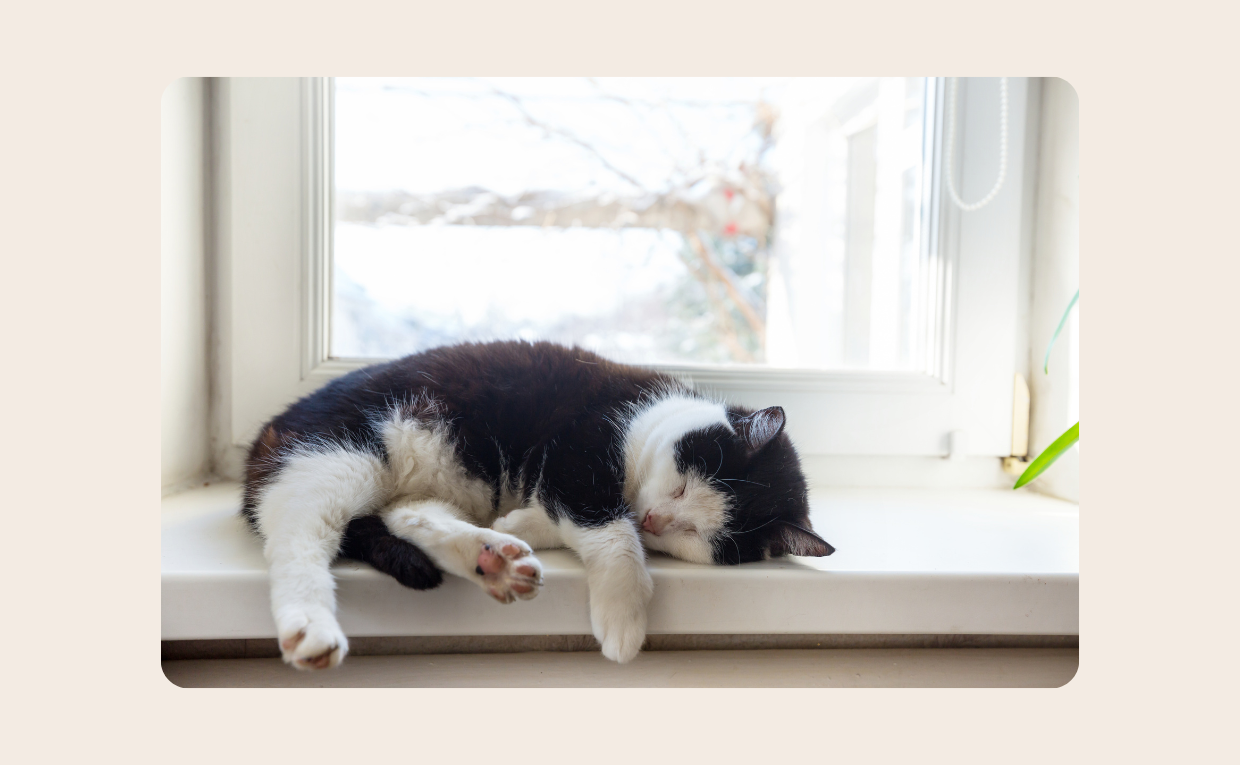
Unlike Spring Allergies, winter may seem like a time when allergies disappear, but for many pets, this season can actually trigger unexpected reactions. The cold weather changes in indoor environments and seasonal allergens can affect both dogs and cats. Understanding what winter allergies look like and how to manage them can keep your furry friend comfortable all season long.
Why Winter Allergies Occur in Pets
When the temperature drops, pets spend more time indoors. This exposes them to allergens such as dust mites, mold spores, and indoor heating that dries out the air. The lack of humidity can irritate the skin and nose while also increasing sensitivity to common household allergens. Outdoor winter elements like cold winds and wet surfaces can also dry and inflame your pet’s skin making them more prone to itching and irritation.
Some pets also have year-round allergies that worsen in winter because their natural skin barrier becomes weaker. When their skin becomes dry or cracked, allergens can penetrate more easily, leading to reactions that seem sudden.
Common Signs of Winter Allergies
Recognizing symptoms early can prevent discomfort and secondary infections. Pets show winter allergies in different ways, and the signs may be subtle at first.
1. Excessive Itching and Scratching
If your pet cannot stop scratching or biting certain areas, especially paws, belly or ears, it may be reacting to allergens.
2. Dry Flaky Skin
Cold weather often leads to dry skin. If you notice dandruff patches or flaky spots, this may be a sign of irritation caused by allergens or low humidity.
3. Red or Inflamed Skin
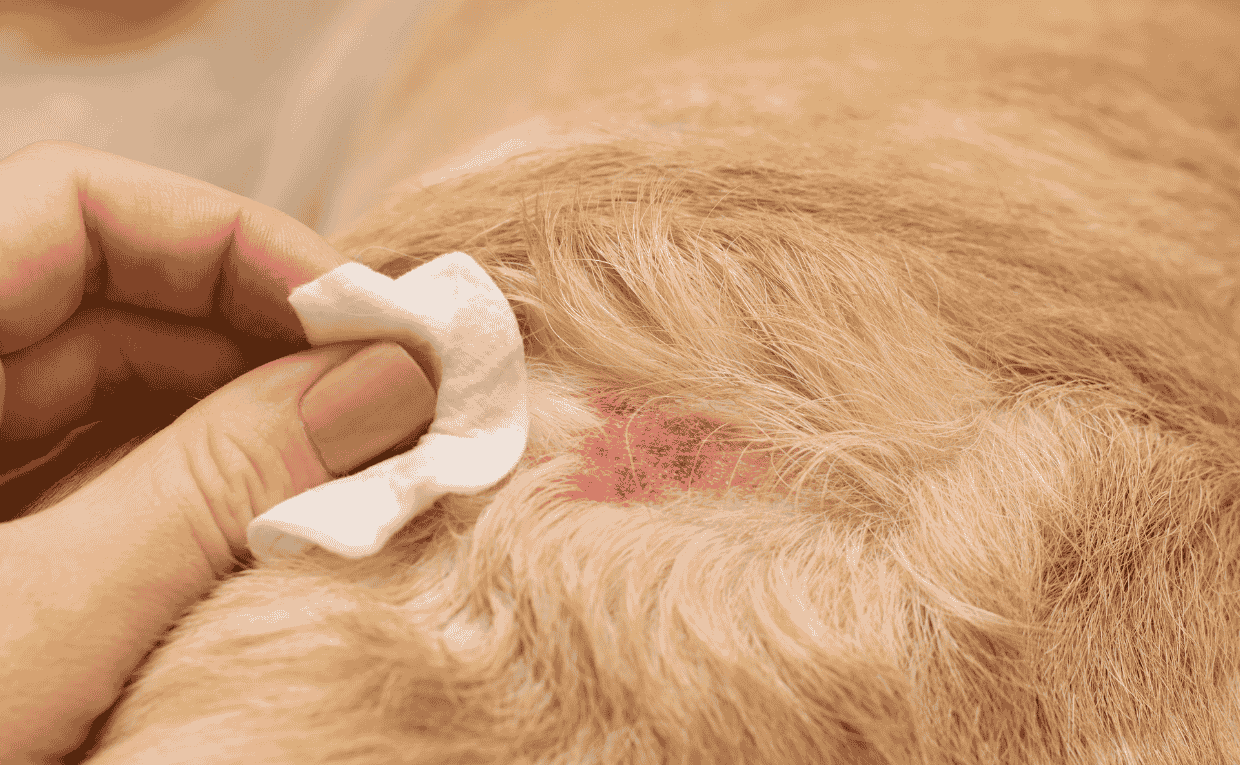
The skin may appear pink or red, especially around joints belly and paws. This inflammation signals that the skin barrier is compromised.
4. Watery Eyes or Sneezing
Indoor allergens can cause respiratory symptoms similar to a mild cold, like sneezin,g nasal discharge or watery eyes.
5. Ear Irritation
Frequent head shaking or scratching around the ears can be a sign of allergies. Allergic reactions often affect the ear canal leading to discomfort or infections if untreated.
6. Licking Paws or Chewing Fur
Pets often lick their paws excessively when allergens settle between the toes. Chewing or grooming the same area repeatedly indicates discomfort.
Winter Allergy Remedies for Pets
Helping your pet cope with winter allergies requires a combination of environmental control, grooming, and sometimes medical support. Simple routine adjustments can bring fast relief.
1. Improve Indoor Air Quality
Use a humidifier to restore moisture in the air. Low humidity irritates the skin and respiratory system so increasing moisture helps reduce flakiness and makes breathing easier. Air purifiers can also remove dust, dander, and other allergens from enclosed spaces.
2. Regular Cleaning Helps Reduce Allergens
Vacuum carpets, wash bedding, and clean floors frequently to reduce the buildup of dust and allergens. Make sure your pet’s crate blanket and soft toys are washed weekly in warm water to eliminate dust mites.
3. Moisturizing Shampoos and Conditioners
Choose pet-safe soothing shampoos that contain oatmeal, aloe vera, or coconut oil. These ingredients relieve dryness and calm irritated skin. Avoid overbathing since frequent washing removes natural oils and worsens dryness.
4. Fatty Acid Supplements Support Skin Health
Omega 3 and omega 6 fatty acids strengthen the skin barrier and reduce inflammation. Adding fish oil to your pet’s food can enhance coat shine improve skin moisture and decrease itching over time.
5. Paw Balms and Nose Balms Offer Protection
Winter surfaces like ice salt and rough pavements can irritate sensitive paws. Apply paw balm before walks and after cleaning their feet when you return. Nose balms prevent cracking and improve comfort for pets with dry nasal skin.
6. Allergy-Friendly Diet Adjustments
Food sensitivities sometimes flare up during the winter months when pets are less active. If symptoms persist after environmental changes speak to your vet about switching to a hypoallergenic diet or conducting a food elimination trial.
7. Antihistamines and Vet-Prescribed Treatments
For moderate to severe allergies, your veterinarian may recommend antihistamines, medicated sprays or steroid creams. Some pets benefit from allergy injections or immunotherapy depending on their diagnosis.
Grooming Tips to Manage Winter Allergies
Proper grooming plays a major role in controlling winter allergies. It protects your pet’s skin, strengthens their coat, and removes allergens that cling to their fur.
1. Keep Coat Clean but Avoid Overbathing
A gentle bath every three to four weeks is usually enough during winter. Always follow with a moisturizing conditioner to replenish oils.
2. Brush Regularly to Improve Circulation
Daily or weekly brushing removes loose fur, dander, and environmental allergens. Brushing also stimulates natural oils that keep the skin hydrated and reduces flaky patches.
3. Clean Paws After Every Walk
Allergens like dust, salt, and chemical deicers stay on your pet’s paws after outdoor activities. Rinse or wipe their paws with warm water after each walk to prevent itchiness and licking.
4. Trim Fur Around Paws and Belly
Long fur between the toes and under the belly can trap irritants. Keeping these areas trimmed helps reduce exposure and makes cleaning easier.
5. Protect the Skin From Harsh Weather
Use pet-safe coats, sweaters, or booties when taking your dog outside in very cold weather. These protect sensitive skin from drying winds and rough surfaces.
6. Choose Bedding That Supports Skin Health
Soft breathable bedding reduces irritation while providing comfort. Choose materials like cotton or fleece that are easy to wash and gentle on the skin.
7. Monitor for Secondary Infections
Constant scratching can break the skin and lead to bacterial or yeast infections. Check for redness, swelling or unusual odors and consult a vet if symptoms worsen.
When to See the Vet
If your pet’s symptoms persist for more than a week or worsen despite home care, it is time for a professional evaluation. Chronic irritation, hair loss, or open wounds require immediate attention. Vets can perform skin tests analyze allergies and recommend specific treatments tailored to your pet’s condition.
Helping Your Pet Enjoy a Comfortable Winter
Winter allergies can be challenging, but with the right care, your pet can stay happy, healthy, and comfortable throughout the season. By maintaining good indoor air quality, following a consistent grooming routine, and providing supportive treatments you can prevent discomfort and protect your pet’s skin and coat. A little extra attention during the colder months goes a long way in ensuring your furry companion thrives all winter long.