What Is Cobbing in Dogs?
If your dog has ever gently nibbled on you, your clothes, or their favourite toy with their front teeth, you’ve witnessed cobbing. The term comes from the way dogs use their front teeth in quick, soft motions that resemble how humans eat corn on the cob. Cobbing is typically harmless, painless, and even affectionate. It’s your dog’s way of communicating or expressing emotion rather than showing aggression.
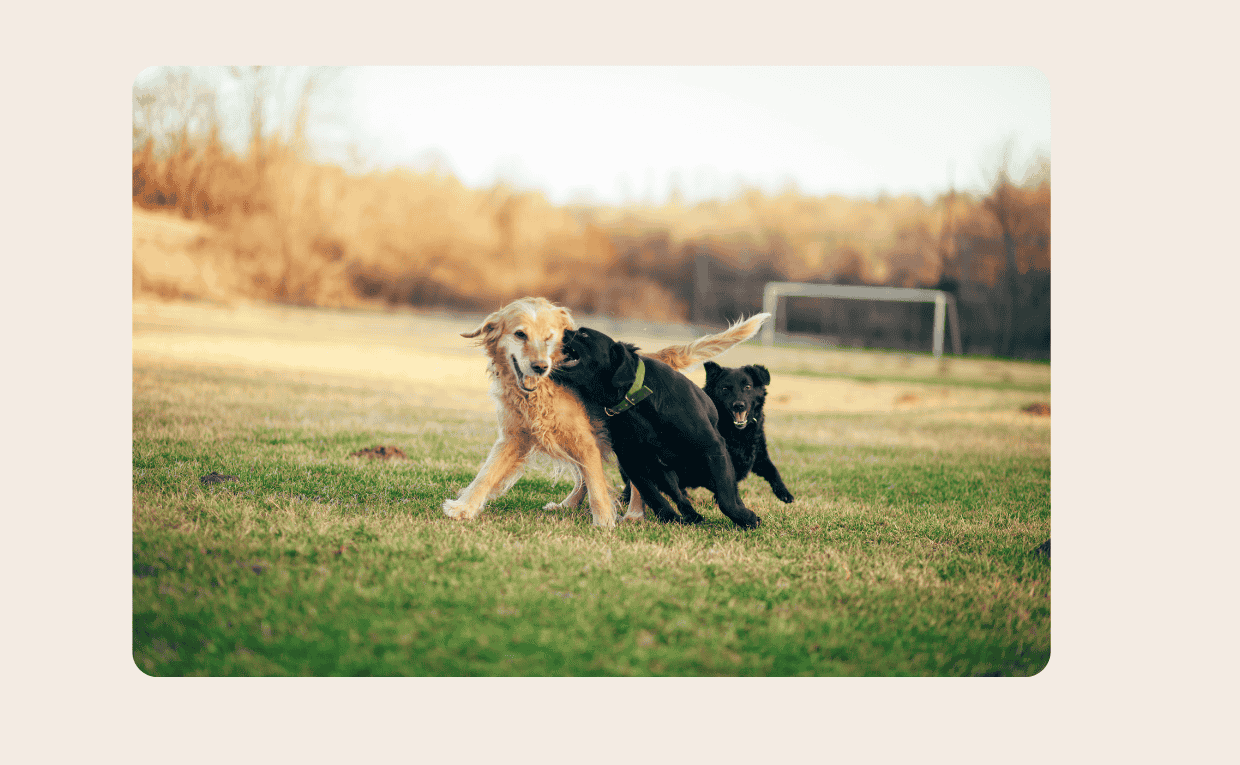
Dogs might cob as a form of grooming, bonding, or playfulness. Puppies often cob on their littermates, and as they grow, some carry the behaviour into adulthood. It’s a natural, instinctive action that can seem odd but usually reflects trust and affection.
Why Do Dogs Cobb
1. Affection and Bonding
Cobbing is often your dog’s gentle way of saying “I love you.” Just as dogs groom one another in packs, cobbing you or another dog shows connection and comfort. It’s a physical expression of closeness, like a soft hug or a lick.
2. Playfulness
Some dogs cob during play sessions, especially when they’re excited or overstimulated. You might notice your dog cobbing on your sleeve or pant leg while wagging their tail and looking at you lovingly.
3. Grooming Instinct
Dogs naturally groom one another. When your dog cobs your arm or hair, they’re showing that same instinctive care. It’s their version of helping you stay “clean” and part of their pack.
4. Teething or Oral Discomfort
For puppies, cobbing can be a soothing way to ease teething pain. Older dogs might do it when they’re dealing with mild gum irritation or boredom. They might also cobb their own skin in case of a skin allergy.
5. Attention-Seeking Behavior
If your dog notices cobbing gets a reaction—whether laughter, pets, or even a gentle “stop that”—they may repeat it for attention.
When Cobbing Might Become a Problem
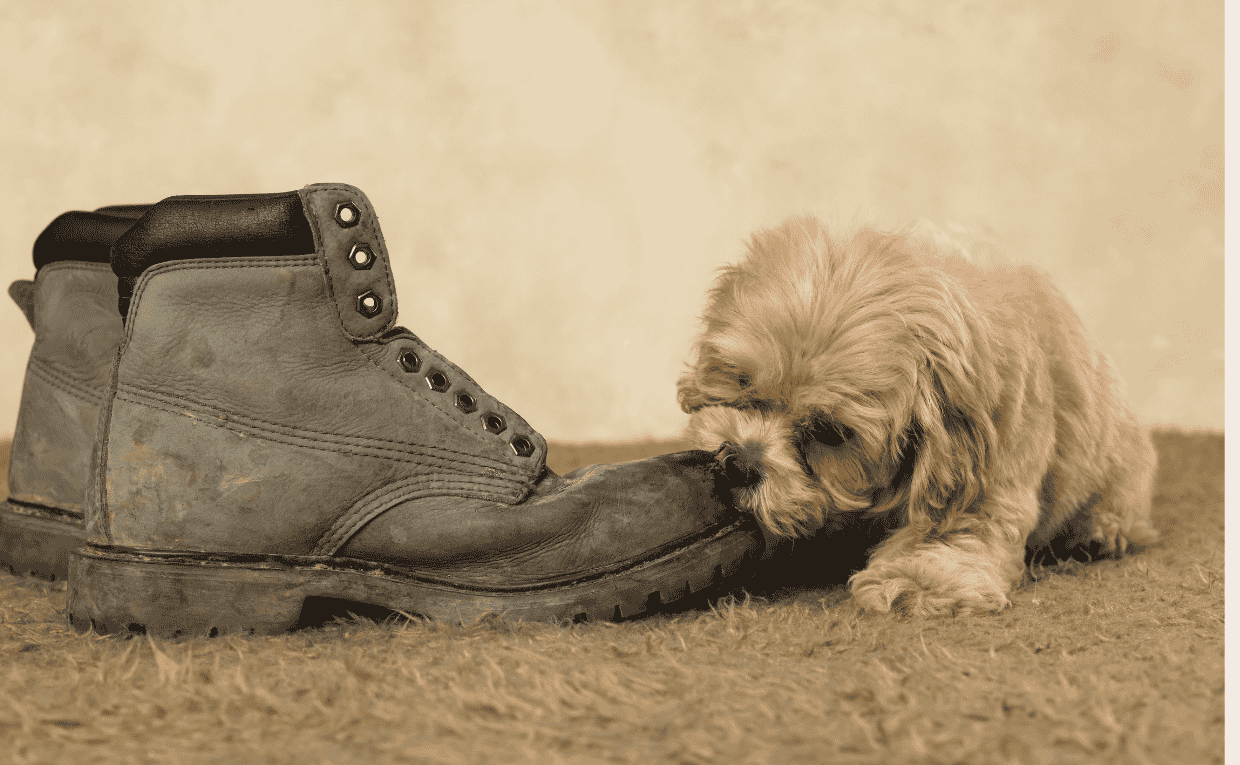
While cobbing is generally gentle, it can sometimes become excessive or lead to nipping if your dog gets too excited. Over time, cobbing on inappropriate objects like furniture or clothing can also encourage unwanted chewing habits. If the behavior turns rough or is accompanied by growling, it could indicate overstimulation, anxiety, or frustration rather than affection.
In these cases, it’s important to redirect your dog’s attention toward acceptable chewing outlets and reinforce calm behavior.
How to Manage or Stop Cobbing
1. Redirect With Chew Toys
Offer a durable chew toy or soft plush whenever your dog starts to cob. This teaches them that toys, not hands or clothes are the right outlet.
2. Reinforce Calm Behavior
Reward your dog with praise or treats when they stop cobbing and relax. Positive reinforcement helps them understand what you expect. Avoid scolding, which can cause confusion or anxiety.
3. Offer Gentle Alternatives
If your dog cobs to show affection, replace the gesture with another bonding activity, such as petting, grooming, or snuggle time.
4. Address Boredom and Anxiety
Sometimes cobbing happens because your dog is under-stimulated. Make sure they’re getting enough exercise, mental challenges, and attention.
5. Socialization and Training
Enroll your pup in obedience classes or introduce gentle social play sessions with other dogs. This helps them learn boundaries naturally. A professional trainer or behaviorist can also help if cobbing becomes persistent or problematic.
When to Consult a Vet
While cobbing is typically harmless, it’s wise to consult a vet if it’s excessive or sudden. Sometimes cobbing can signal dental discomfort, allergies, or irritation. Your vet can check for oral issues or stress-related behavior and guide you toward the right management approach.
A Loving Habit—With Limits
At its heart, cobbing is one of the ways dogs express love and connection. It’s endearing to see your pup gently nibble at you as a form of affection or attention, but as a responsible dog parent, you’ll want to channel that energy safely. By redirecting cobbing toward appropriate outlets, encouraging calm interaction, and ensuring your dog feels stimulated and secure, you can maintain that loving bond without unwanted chewing or overexcitement.
Remember, cobbing is a reminder of your dog’s deep bond with you, their trust, and their desire to be close. With patience and gentle guidance, you can turn this quirky behavior into another sign of the special friendship you share with your canine companion.