Humans and Golden Retrievers appear to share not just a home and a sofa, but deep genetic roots that shape how both species feel, learn and respond to the world. A major new study of more than 1,300 Golden Retrievers has revealed that several genes influencing canine behaviour also affect human emotions, intelligence and vulnerability to anxiety and depression
A study that Rewrites the Dog–Human Bond
Researchers from the University of Cambridge analysed the DNA of over 1,300 Golden Retrievers enrolled in the Golden Retriever Lifetime Study, pairing genetic data with detailed behaviour questionnaires completed by owners. By comparing these canine results with large human genetic databases, they showed that at least twelve dog genes linked to traits like fearfulness, trainability and aggression also map onto human traits such as anxiety, mood, and cognitive performance.
Crucially, these genes do not dictate a single behaviour, but shape broader emotional tendencies and how the brain regulates stress and learning. That means the Golden Retriever that startles at loud noises, or the person who tends to overthink, may both be expressing similar underlying biological wiring in different species.
PTPN1: aggression, stress, and intelligence
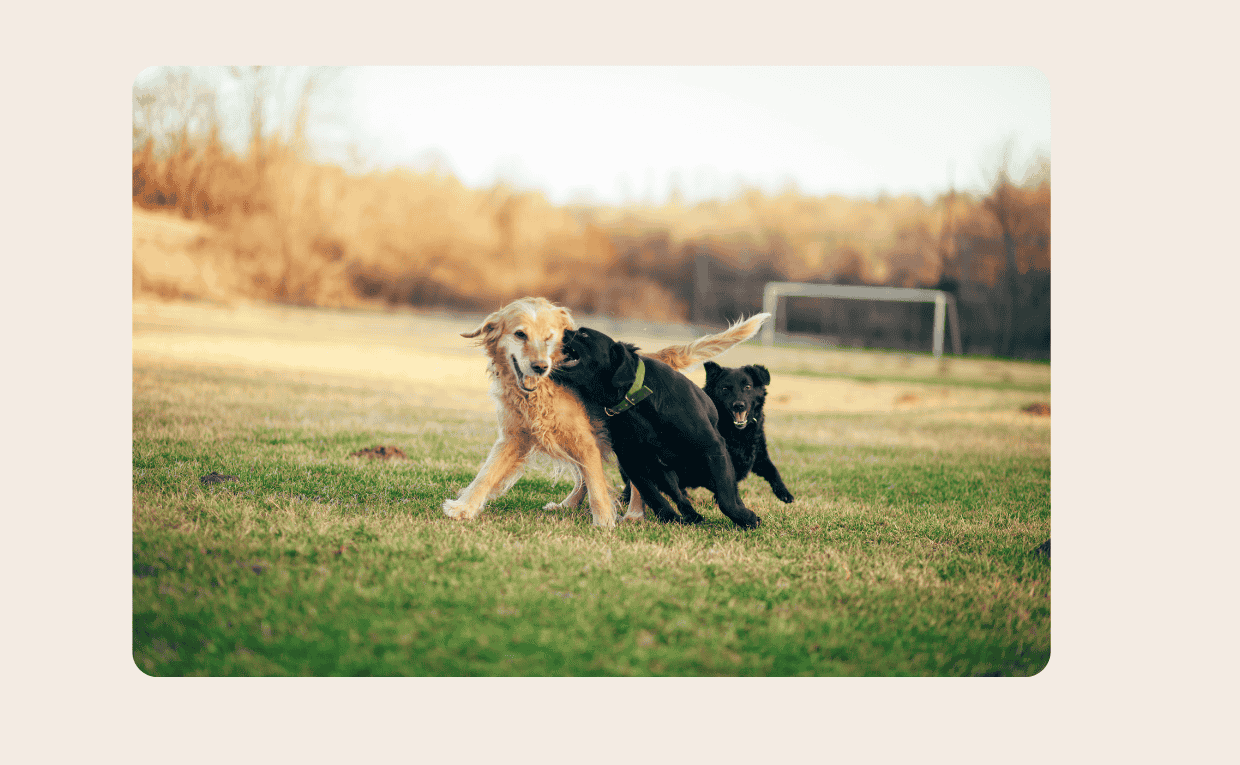
One of the standout discoveries is PTPN1, a gene linked to aggression toward other dogs in Golden Retrievers. Aggression in this breed is uncommon, but when dogs carrying certain PTPN1 variants are pushed into extreme stress, they may be more likely to react defensively or fearfully.
In humans, PTPN1 has been associated with intelligence, educational attainment and risk for depression, suggesting a role in how flexibly we think under pressure and how we cope with setbacks. The overlap hints that stress responses and problem-solving abilities in both species may be tuned by related molecular pathways, even after millions of years of separate evolution.
ROMO1: Trainability and Emotional Sensitivity
Another key gene is ROMO1, which in dogs is strongly associated with trainability – how quickly and enthusiastically a Golden Retriever picks up new commands. Goldens with certain ROMO1 variants tend to be highly responsive to tone of voice, body language and reward-based cues, making them star pupils in positive reinforcement training.
In humans, ROMO1 has been linked to intelligence and emotional sensitivity, including how easily a person’s feelings are hurt or how intensely they react to social feedback. This helps explain why many Golden Retrievers seem so attuned to their humans’ moods and why emotionally supportive training methods are especially effective for them.
HUNK and ASCC3: Worry, Nerves and Noise Fear
The study also highlighted genes such as HUNK and ASCC3, which appear to shape how both dogs and humans handle worry and environmental stressors. In Golden Retrievers, HUNK has been linked to nervousness around other dogs, while ASCC3 is associated with fear of loud, non-social stimuli like vacuum cleaners or traffic.
In people, these same genes are connected to traits like anxiety, mood swings, neuroticism and a tendency to feel easily rattled. Anyone who has watched a Golden pacing anxiously while waiting for their person to return, or cowering during a thunderstorm, is seeing a canine version of emotional patterns that humans also experience.
Why Shared Genes Matter for Training and Care
Understanding that behaviour has a genetic component does not mean dogs are “hard-wired” and unchangeable, but it does change how owners and professionals can support them. The researchers emphasise that genes like PTPN1, ROMO1, HUNK and ASCC3 influence emotional regulation and stress sensitivity, which then interact with life experiences, training and environment.
This has practical implications:
- Training: Highly sensitive, ROMO1-linked dogs may thrive with gentle, reward-based methods and struggle under harsh correction.
- Behaviour support: Dogs with strong fear or worry tendencies might benefit from structured desensitisation, predictable routines and, in some cases, anxiety-reducing medications similar to those used in human mental health.
- Prevention: Recognising that some Goldens are genetically more prone to stress can encourage early socialisation and proactive support rather than blaming “bad behaviour”.
The role of Shared Environments
Genes are only part of the story. Dogs have lived alongside humans for thousands of years, adapting to our social structures, daily routines and emotional cues. Golden Retrievers in particular have been bred for cooperation, gentleness and close partnership with people, which makes them unusually expressive and responsive to human emotion.
Long-term cohabitation means dogs not only share our spaces but also absorb our stress levels, body language and even some of our habits. The new findings suggest that when a Golden mirrors a human’s mood – curling up beside someone who is crying, or becoming restless when tensions rise at home – both learned behaviour and shared biology may be at play.
Why Goldens Excel at Emotional Work
Golden Retrievers are among the most common breeds used for therapy, assistance and emotional-support roles, and the genetic data helps clarify why. Their high trainability, emotional sensitivity and strong drive to connect with people make them ideal for tasks like comforting hospital patients, supporting children with anxiety or guiding individuals with disabilities.
Genes like ROMO1 may underpin their quick learning and responsiveness to subtle cues, while variants related to empathy-like behaviours and attention to human faces enhance their ability to “read the room”. When these genetic tendencies are nurtured with careful breeding, socialisation and positive training, the result is the gentle, intuitive companion so many people rely on.
Fun Behavioural Insights about Goldens
Several additional observations from research and real-world reports make Golden Retriever personalities even more endearing:
- Emotional recognition: Studies suggest dogs can distinguish many human facial expressions and associate them with positive or negative outcomes, helping them anticipate how their person feels.
- Memory: Goldens show impressive long-term memory for people, places and emotionally intense events, likely supported by some of the same genetic pathways humans use to store strongly charged memories.
- Communication skills: Individual Goldens have been reported to learn large vocabularies of words or hand signals and respond accurately from significant distances, reflecting their combination of intelligence, focus and desire to cooperate.
- Oxytocin “love loop”: Eye contact and gentle touch between dogs and humans trigger spikes in oxytocin – the hormone linked to bonding between parents and infants – in both species.
These traits reinforce the idea that Goldens are not just pets but emotional partners whose inner lives resonate closely with our own.
What this Means for the Future
This Golden Retriever research opens several promising avenues. Behaviourally, it encourages owners and trainers to view “problem behaviours” not as stubbornness but as expressions of an underlying emotional profile that deserves empathy and tailored support. Medically, understanding shared genes between dogs and humans may guide the development of new treatments for anxiety, depression and stress-related conditions across species.
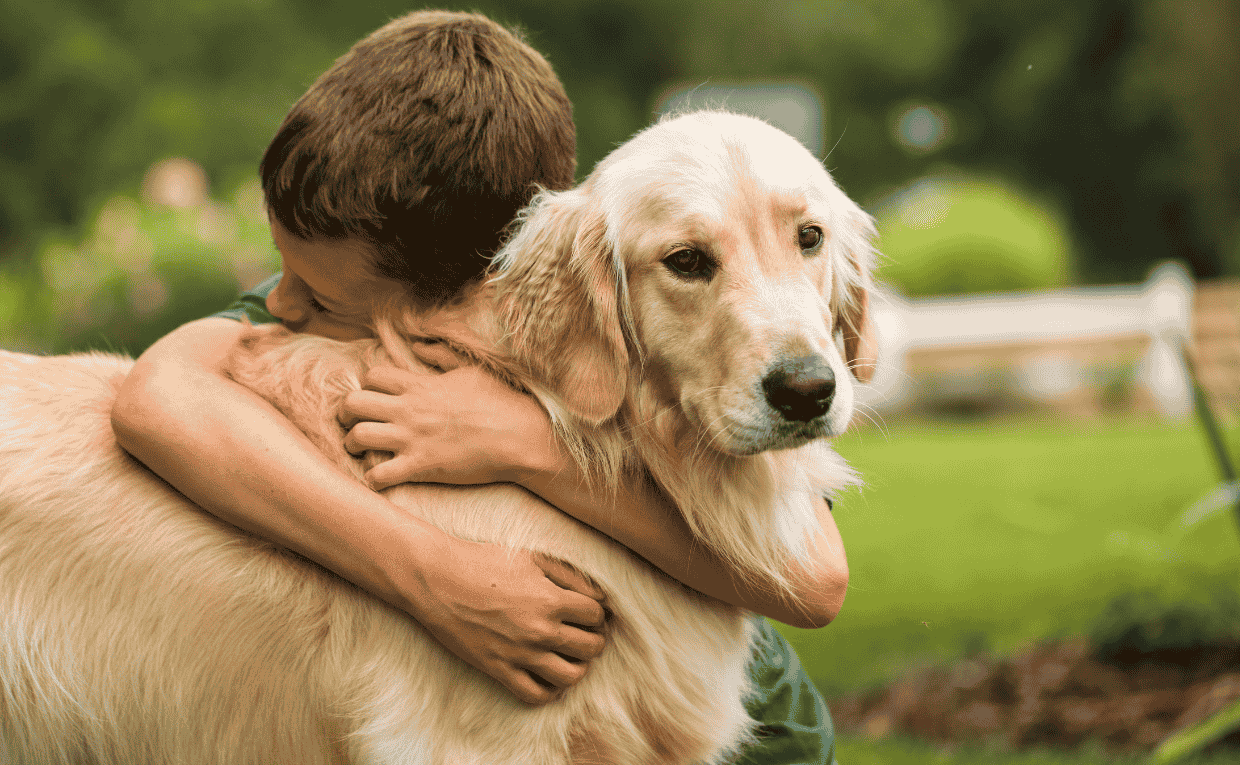
On a more personal level, the findings give scientific backing to something many dog lovers feel intuitively: that the connection with a Golden Retriever runs deeper than simple companionship. When a Golden leans into a hug, senses stress and offers comfort, or seems to share a family’s joy and sadness, genetics and environment are working together to weave two emotional worlds into one.