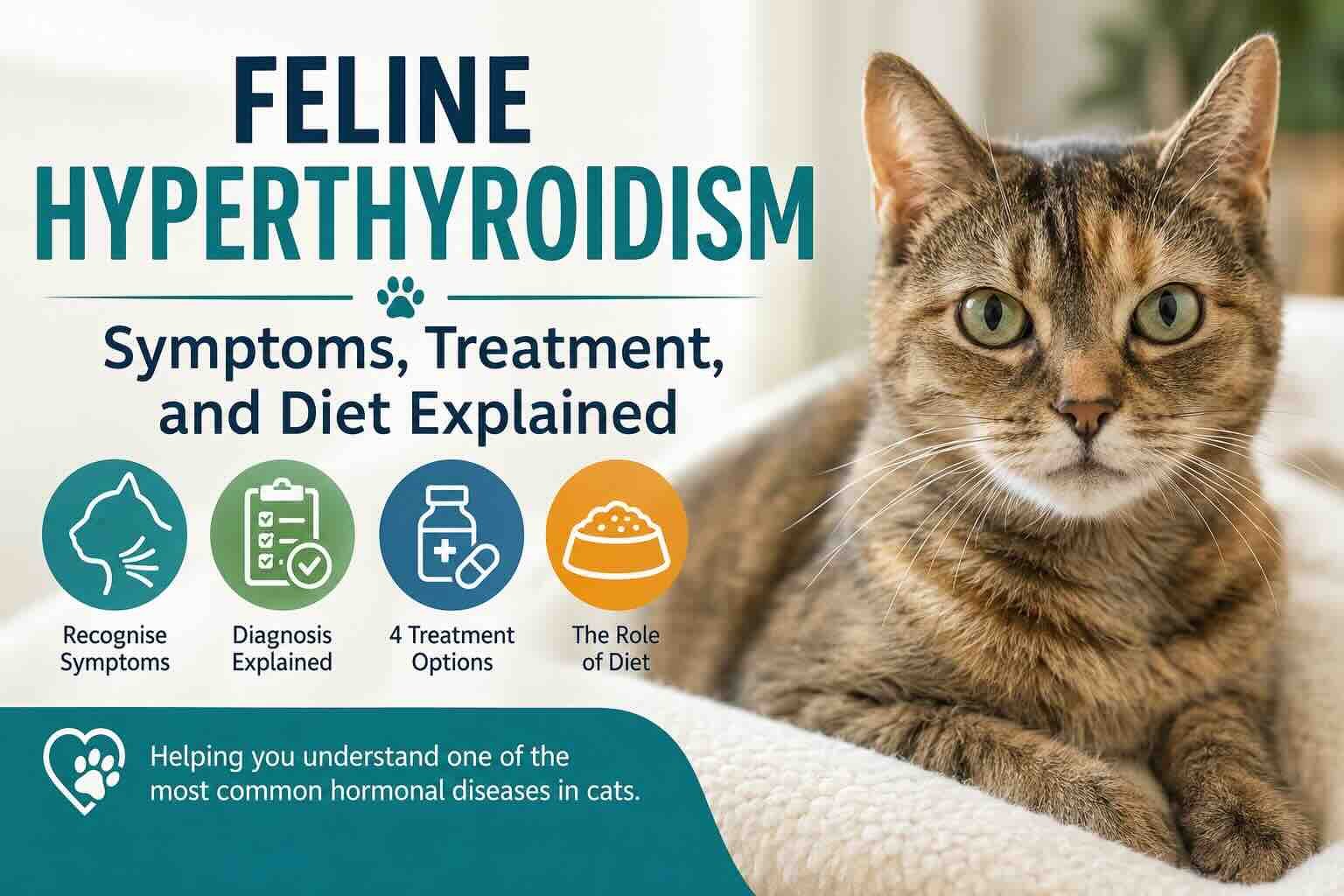

A new year is the perfect time to focus on your pet’s long-term health and happiness. Planning ahead helps prevent emergencies, reduces stress, and supports a longer and more comfortable life for dogs and cats. A wellness checklist for 2026 gives pet owners a clear roadmap covering health care, nutrition, mental well-being, and safety. Whether you are welcoming a new pet or caring for a senior companion, this guide helps you stay prepared all year.
Schedule Preventive Vet Care Early
Routine veterinary care is the foundation of pet wellness. Many illnesses can be managed or avoided entirely when detected early.
Book an annual health check at the start of the year so vaccinations, parasite control, and dental checks are not missed. Puppies and kittens may need more frequent visits, while senior pets benefit from biannual exams.
Ask your vet about blood tests for aging pets to monitor organ function and detect silent issues. Keep digital copies of vaccination records and reports so they are easy to access during travel or emergencies.
Update Vaccinations and Parasite Protection
Vaccinations protect pets from serious diseases that can spread quickly. Core vaccines should always be up to date, while lifestyle vaccines depend on travel, boarding, or outdoor exposure.
Parasite prevention should continue year-round. Fleas, ticks, heartworm, and intestinal worms are common even in urban areas. Monthly preventatives are easier to maintain when reminders are set on your phone or calendar.
Plan a Balanced Nutrition Strategy
Nutrition needs change with age, breed size, and activity level. A diet that worked last year may no longer be ideal in 2026.
Review ingredient labels and avoid foods with excessive fillers or artificial additives. For pets with allergies or digestive issues, consider limited ingredient or vet recommended diets.
Portion control is equally important. Overfeeding leads to obesity which can shorten lifespan and cause joint and heart problems.
Support Dental Health at Home
Dental disease is one of the most overlooked health problems in pets. Poor oral hygiene can lead to pain, tooth loss, and even heart infections.
Brush your pet’s teeth several times a week using pet-safe toothpaste. Dental chews and water additives can support daily cleaning when brushing is difficult.
Schedule a professional dental cleaning if your vet recommends it, especially for small breeds and older pets.
Focus on Mental and Emotional Well-being
Mental health is just as important as physical health. Pets need stimulation, routine, and social interaction to stay emotionally balanced.
Rotate toys to prevent boredom and introduce puzzle feeders to encourage natural problem solving. Daily walks, playtime, and training sessions strengthen the bond between you and your pet.
If your pet shows signs of anxiety such as pacing, hiding, or excessive barking, address the issue early. Environmental enrichment and calming tools can help.
Review Exercise and Weight Goals
Exercise requirements vary by breed, age, and health status. High energy breeds need structured daily activity, while senior pets benefit from gentle movement.
Track your pet’s weight quarterly and adjust food and exercise accordingly. Even small weight changes can affect joint health and mobility.
Swimming, short walks, and controlled play are excellent low impact options for older pets.
Refresh Grooming and Skin Care Routine
Healthy skin and coat reflect overall wellness. Regular grooming prevents matting, skin infections, and discomfort.
Brush your pet according to coat type and bathe only as needed using pet specific shampoos. Check ears, nails, and paws during grooming sessions.
Seasonal shedding increases in spring and autumn, so grooming frequency may need adjustment.
Prepare an Updated Pet Emergency Plan
Emergencies can happen anytime. Planning ahead reduces panic and saves valuable time.
Create a pet emergency kit and a First Aid Kit that includes food, medications, medical records, and a recent photo. Store contact numbers for your regular vet and the nearest emergency clinic.
Consider carrying a pet emergency alert card in your wallet that informs others that your pet may be home alone if something happens to you.
Plan Travel and Boarding in Advance
If you plan to travel in 2026, ensure your pet is prepared. Update microchip details and ID tags. Research pet-friendly accommodations or trusted boarding facilities early.
Pets with anxiety may benefit from trial boarding stays or calming supplements before longer trips.
Final Thoughts
A thoughtful wellness plan sets your pet up for a healthier and happier 2026. By staying proactive with vet care, nutrition, mental stimulation, and safety planning, you reduce risks and strengthen the bond you share. Small steps taken early in the year can make a meaningful difference throughout your pet’s life.